ALTIORA
Find a campus

Altiora PetamusExpect the Greatest

Building a gifted mind takes a distinct kind of English education

We build thinking first, then establish English on that foundation as a second native language.With a connected educational system of 531 books developed directly by headquarters for ALTIORA, all campuses nationwide welcome children with lessons based on the same design.

ALTIORA in numbers

ALTIORA franchise launch

An educational journey that began in the classroom, Experience and research from operating specialist preschool and elementary language academies have expanded into publishing, ALTIORA and PANGRAM program R&D, educational platforms, and international schools.

  1. 2002Operating language academies specializing in preschool and elementary education
  2. 2006Established the R&D CENTER
  3. 2017Launched the ALTIORA franchise for preschool gifted English and creativity education
Our journey
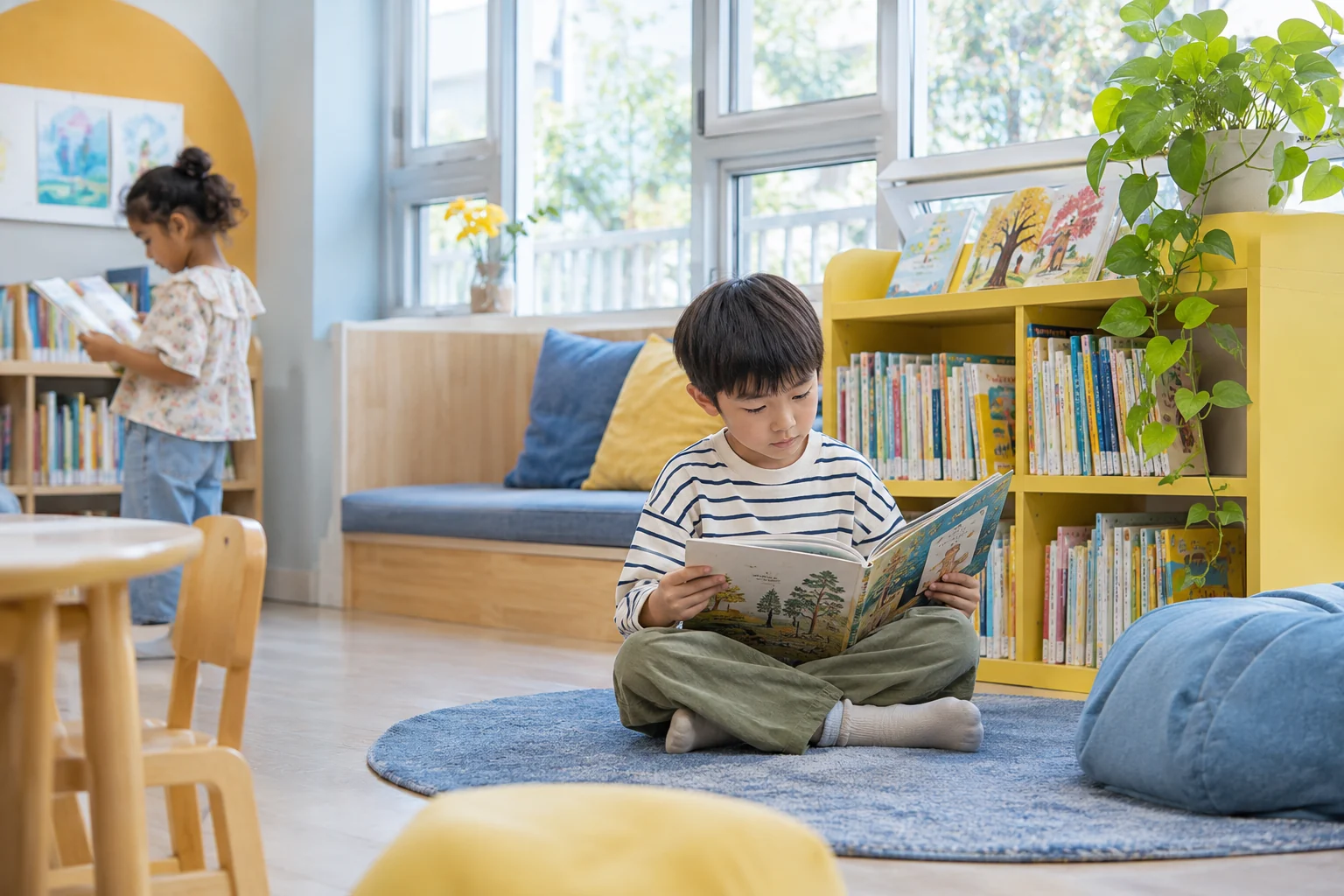
Children reading picture books in a reading nook

Books developed directly by headquarters for ALTIORA

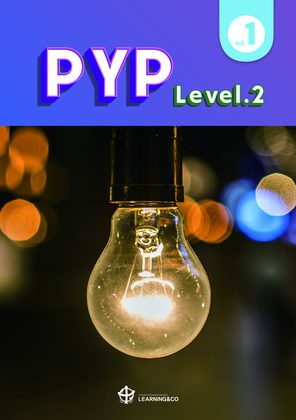
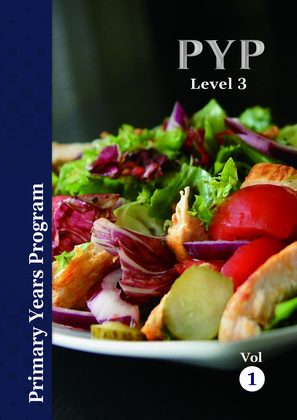
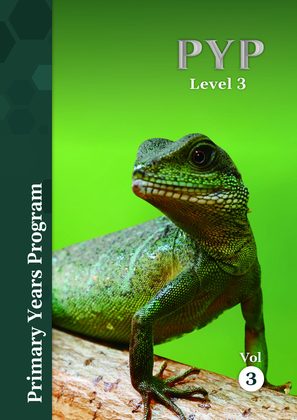
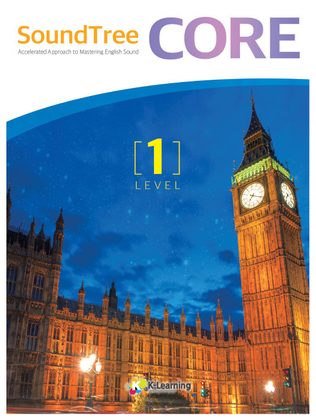
We develop our materials directly. We connect educational goals, content, and thinking skills. The 531 books form a vast ecosystem, intersecting and creating synergy to support children’s outcomes. The criterion for choosing an early childhood English academy is “What kind of brain does it build?”

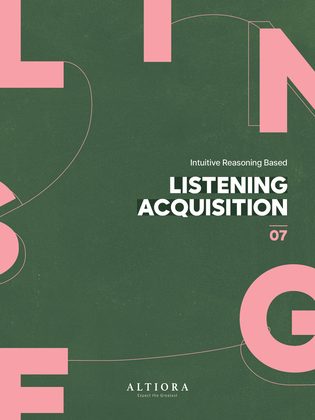
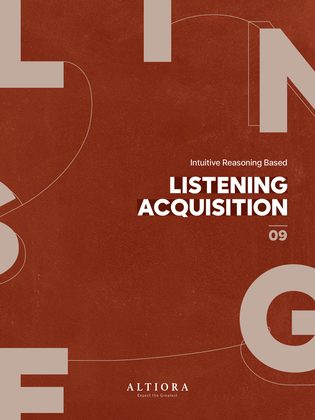
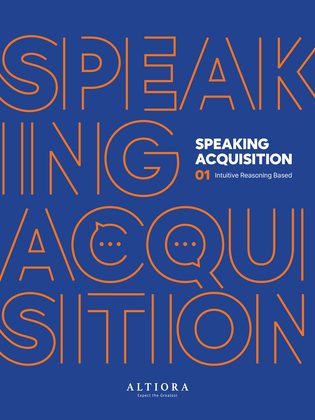
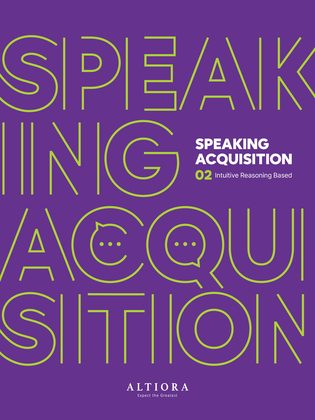
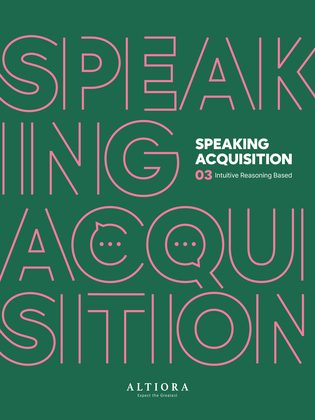
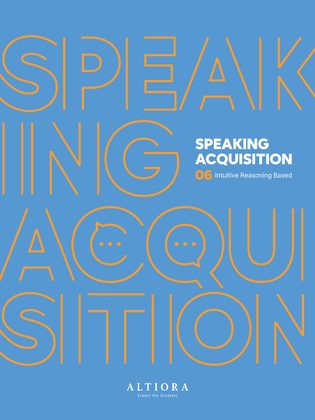
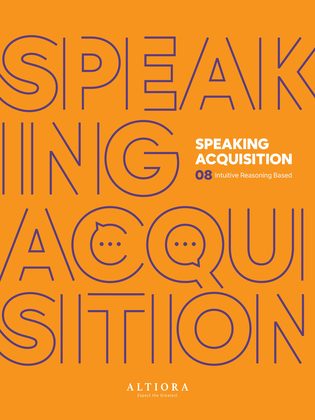
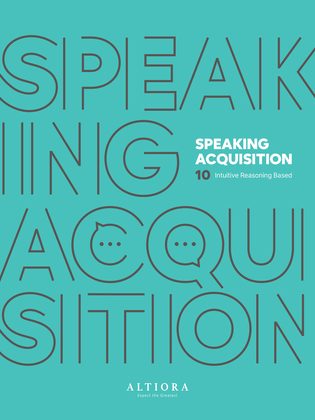
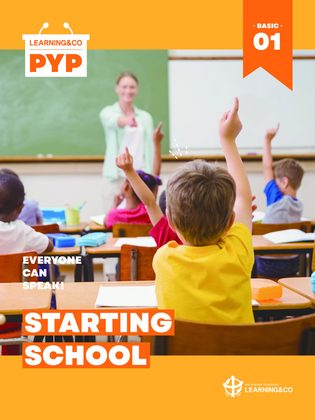
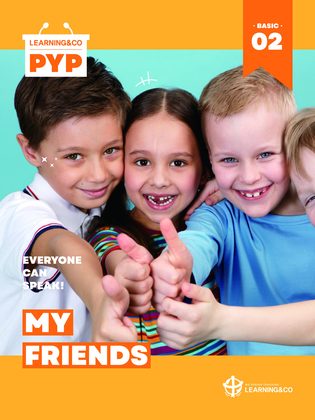
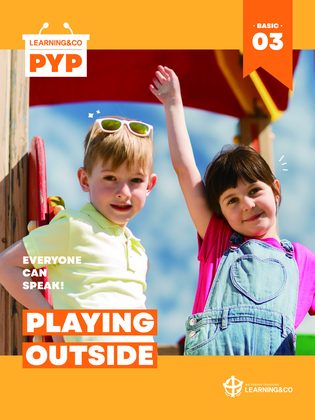
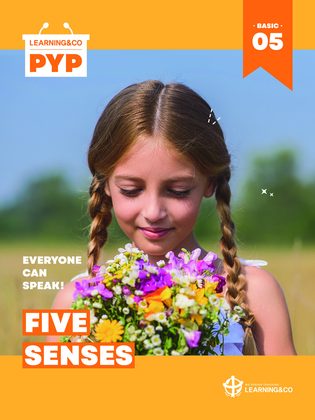
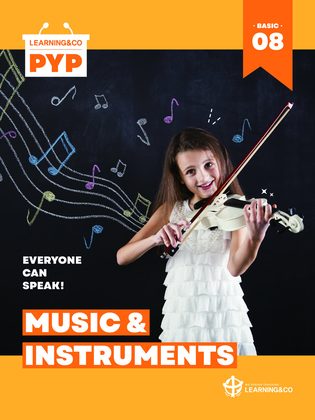
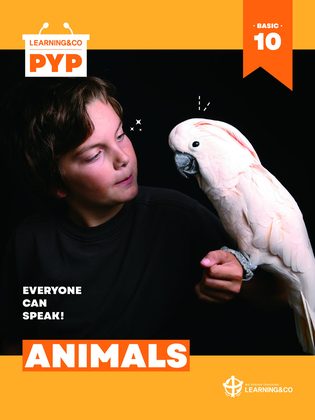
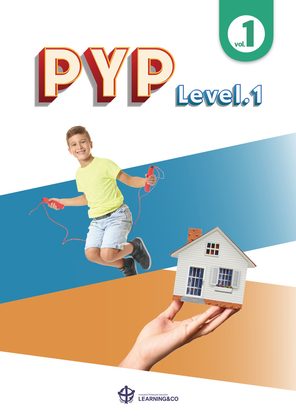
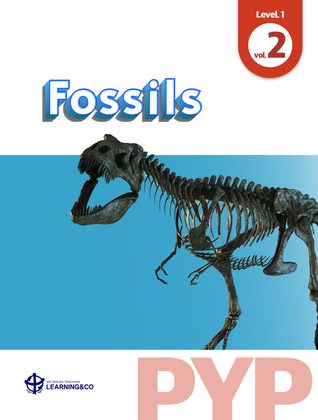
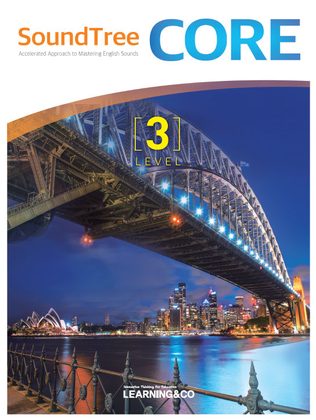
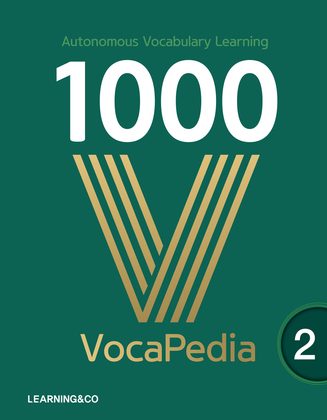
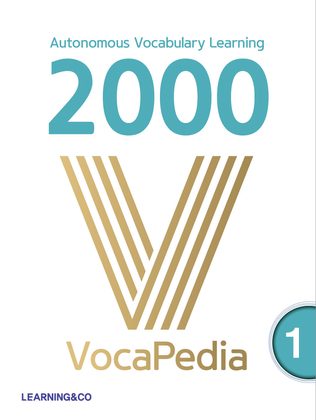
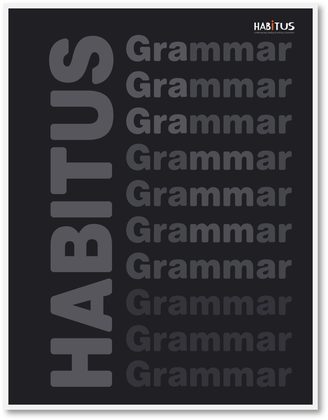
Listening Acquisition 1Listening Acquisition 2Listening Acquisition 3Listening Acquisition 6Listening Acquisition 7Listening Acquisition 9Speaking Acquisition 1Speaking Acquisition 2Speaking Acquisition 3Speaking Acquisition 6Speaking Acquisition 8Speaking Acquisition 10PYP Basic 1PYP Basic 2PYP Basic 3PYP Basic 5PYP Basic 8PYP Basic 10PYP Level 1PYP Level 1 FossilsPYP Level 2PYP Level 2PYP Level 3PYP Level 3SoundTree CORE 1SoundTree CORE 2SoundTree CORE 3SoundTree CORE Plus 1VocaPedia 1000 vol.1VocaPedia 1000 vol.2VocaPedia 2000HABITUS Grammar

Korea No.1 Education Awards · English education
ALTIORA and PANGRAM received the grand prize in the English education category of the Korea No.1 Education Awards, selected by Korea No.1 Number One Awards, for 8 consecutive years through 2026. This recognition reflects the dedicated efforts of every campus to deliver classroom lessons with passion.
2026 Korea No.1 Education Awards — English education grand prize for 8 consecutive years

Campuses nationwide

Explore the nationwide campuses that are part of ALTIORA. Every campus follows the same connected curriculum of 531 books developed directly by headquarters specifically for ALTIORA. Find your nearest campus and request a new-student information session or admissions consultation for the 2027 academic year.

Find a campus
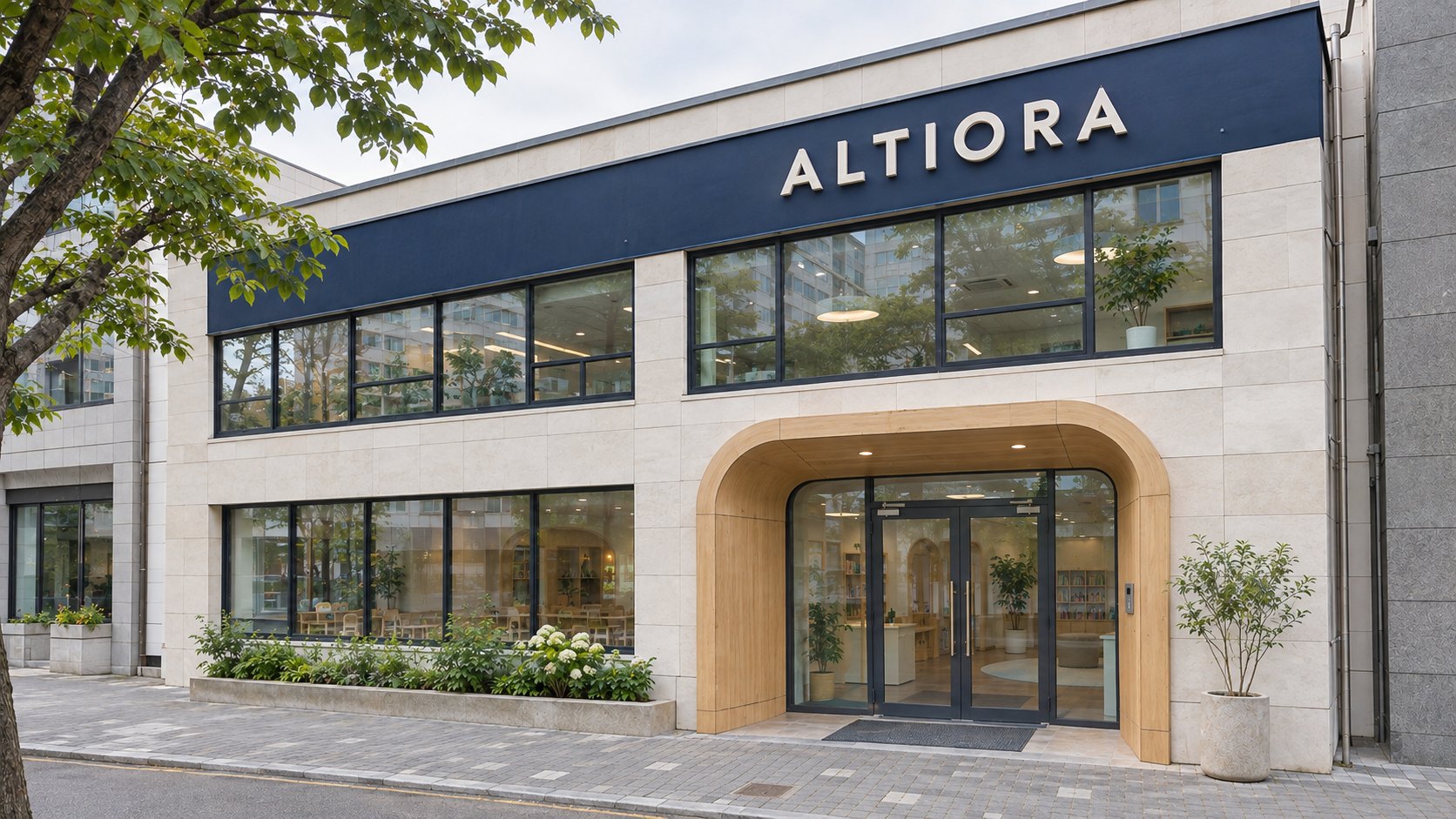
ALTIORA campus exterior

Education

Rooted in Growth,
Open to the World

ALTIORA is an integrated developmental education institution that designs the most important growth of early childhood. Respecting each child's developmental stage and individual pace, we pursue learning through which children construct the meaning of the world for themselves through experience.
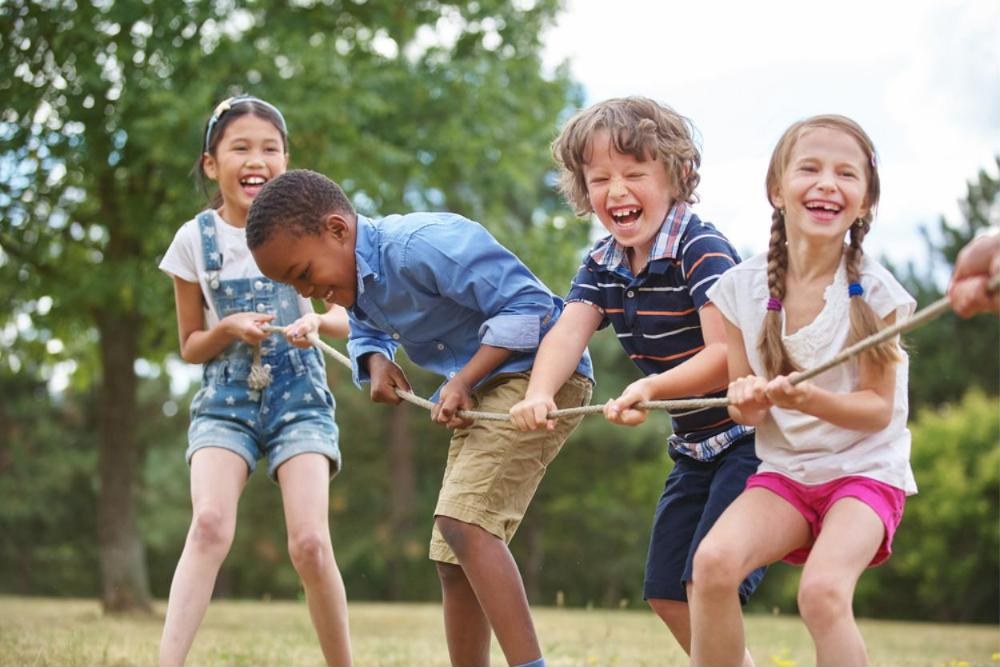
Rather than simply imparting knowledge, ALTIORA helps children form concepts through looking, listening, moving, thinking, and expressing.

Education introduction

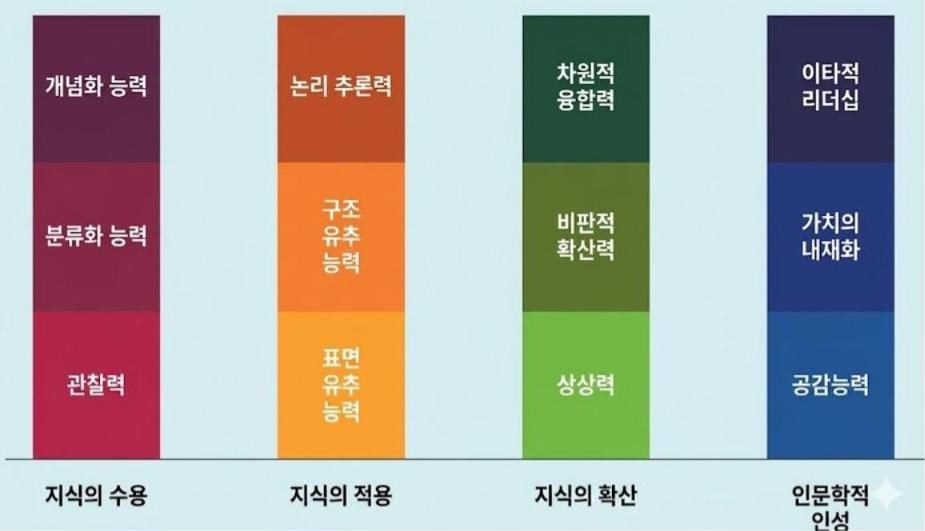
Capabilities that form the foundations of development

  • Physical Capability

    The ability to experience the world through a healthy body, senses, and self-regulation

  • Cognitive Ability

    The ability to think and inquire independently through observation, analysis, inference, and problem-solving

Capabilities through which emotions and language grow together

  • Social & Emotional Ability

    The relational ability to understand oneself and others and live together

  • Language Schema

    The ability to extend and express thought through rich language experiences and structuring

The expressive capabilities that connect children with the world

  • Global Communication

    The ability to understand diverse cultures and ideas and communicate with the world

  • S.T.E.A.M Integration

    The ability to open greater possibilities through integrated thinking

Programs

Program

English Listening and Inference: PlayTree

A listening development program for discovering meaning through sound and context

Children’s language development begins with listening. Children first hear sounds, observe expressions and gestures, and sense a situation, realizing, “Oh, that’s what it means.” Just as their first language grows in this way, ALTIORA’s PlayTree begins with experiences in which children listen sufficiently, respond joyfully, discover meaning for themselves, and connect language with the world at their own developmental pace, rather than first learning English as rules or vocabulary.

Program

ALTIORA MOVEMENT

As children’s bodies awaken, their capacity to learn grows too

The World Health Organization (WHO) explains that infancy and early childhood are periods of rapid physical and cognitive development, during which a balance of physical activity, sleep, and sedentary behavior matters. WHO guidelines for children under 5 likewise explain the importance of sufficient daily activity, good rest, and less excessive sitting or screen exposure for young children’s health and well-being.

Program

Learning How to Learn: CogLog

The ability to remember and use knowledge and expand it into new thinking

Every day, children experience new things, learn new words, gain indirect experiences through stories, and build knowledge by observing and enjoying things that interest them. Yet what matters in these learning experiences is not simply knowing or having tried a great deal. What matters is how children organize what they know, retrieve it when needed, and use it to create new thoughts.

Program

Meaning-Connecting English Speaking: MighTree

A speaking development program that adds meaning to meaning and expands thought into speech

Children begin speaking when they connect what they have seen, heard, and felt with the world. Let us reconstruct how a first language is acquired. You will remember the moment your child first said “Mom.” You probably never set aside time to drill the pronunciation of that word. Your child heard it countless times, naturally experienced the situations and feelings it connects with, and one day spoke it themselves. A little later comes “Mom, water!” Two words have become connected through meaning. Later still comes “Mom, I want some water.” Familiar words form an increasingly rich web of meaning.

Program

Discovering and Explaining Independently: Brain Teaser

What truly matters is the thinking process

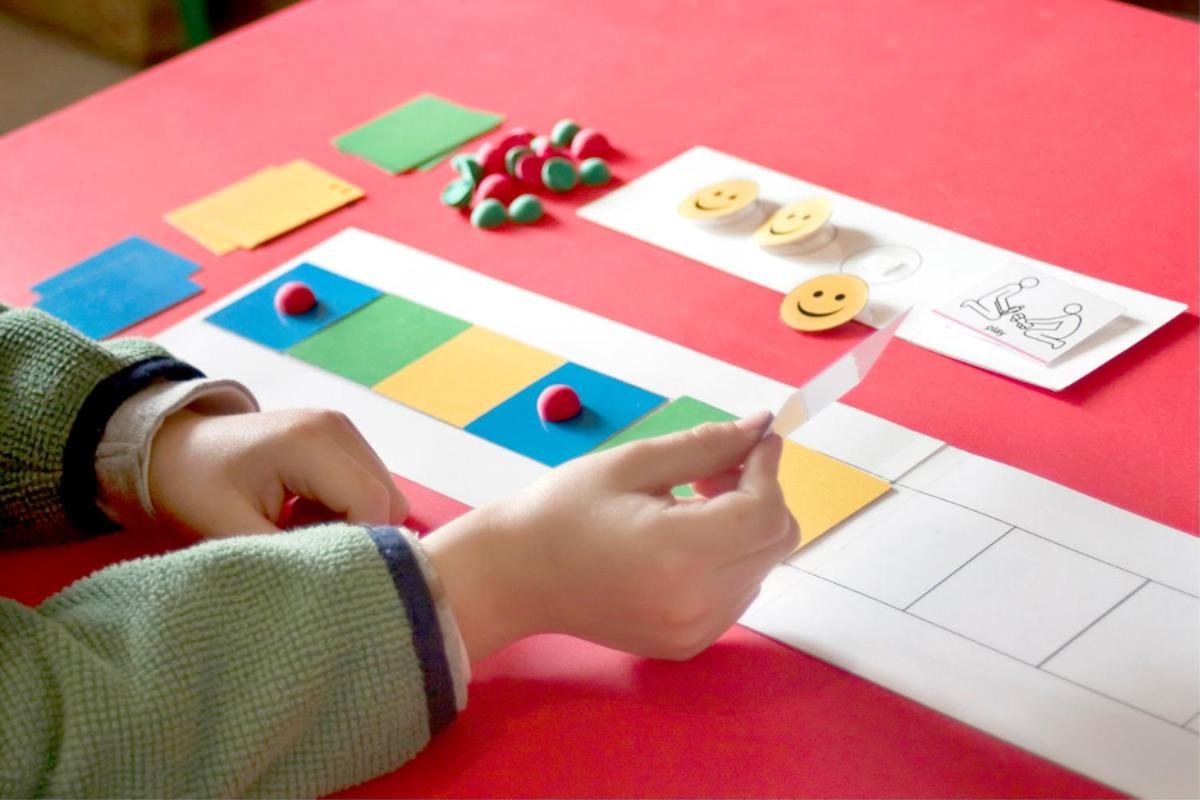
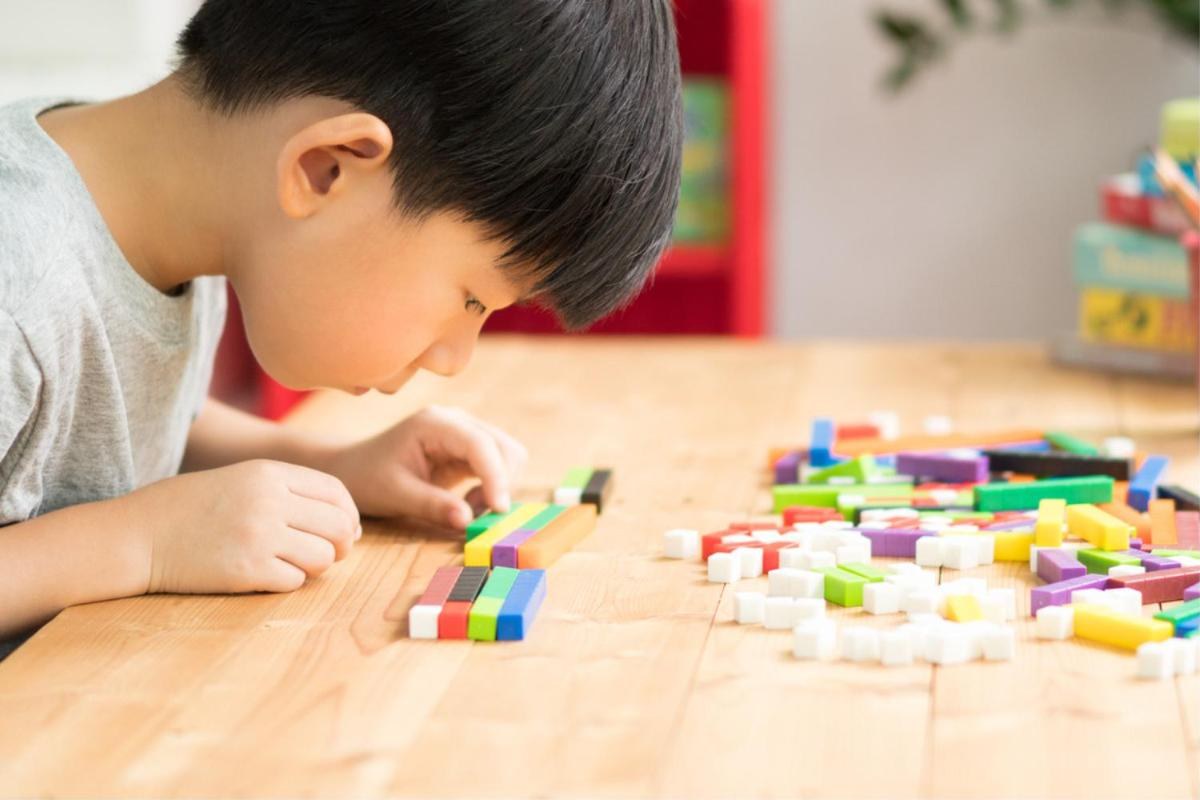
Brain Teaser is an inquiry-based program that develops thinking by encouraging children to discover patterns and relationships hidden in pictures, shapes, numbers, and space for themselves. Children first examine the information carefully. They observe shape and color, position and direction, changes in sequence, and common features, considering what patterns a problem contains. At times, they manipulate materials directly by hand to explore changes in form and space, connecting visual information with bodily experience. They then solve the problem using the principles they have discovered and explain the process in their own words.

Program

Habitus: Strengthening the Roots of Reading and Writing

The beginning of multidimensional literacy that resonates with children’s growth

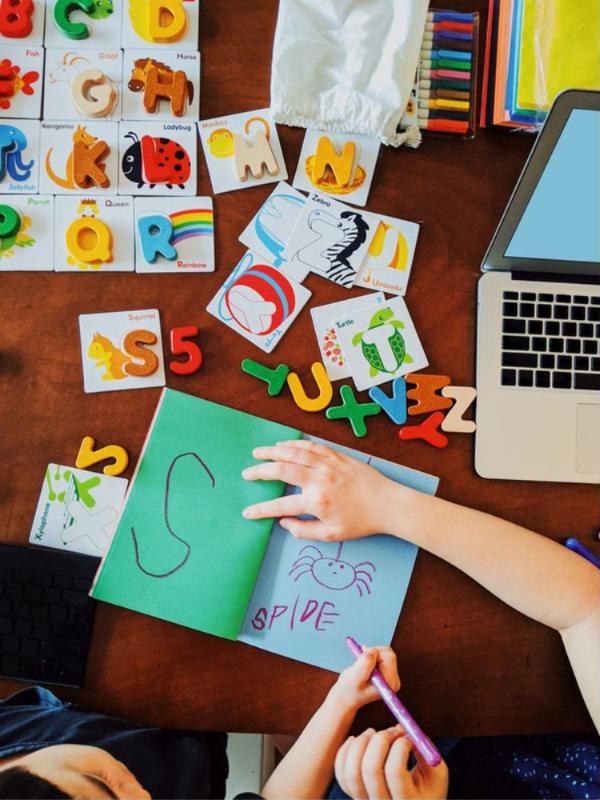
Children’s reading and writing do not begin with mechanically sounding out letters or filling pages with tightly written alphabets. Long before that, children are already “reading” the world around them in their own ways by observing information in pictures, understanding scenes in context, and matching sounds with visual images. The same is true of writing. Delicate experiences of strengthening the small finger muscles that hold a pencil, controlling the direction of a line, and discovering patterns in shapes come together to form a solid foundation for literacy. All these internal resources for reading and writing, formed before formal learning of written language, are called Early Literacy.

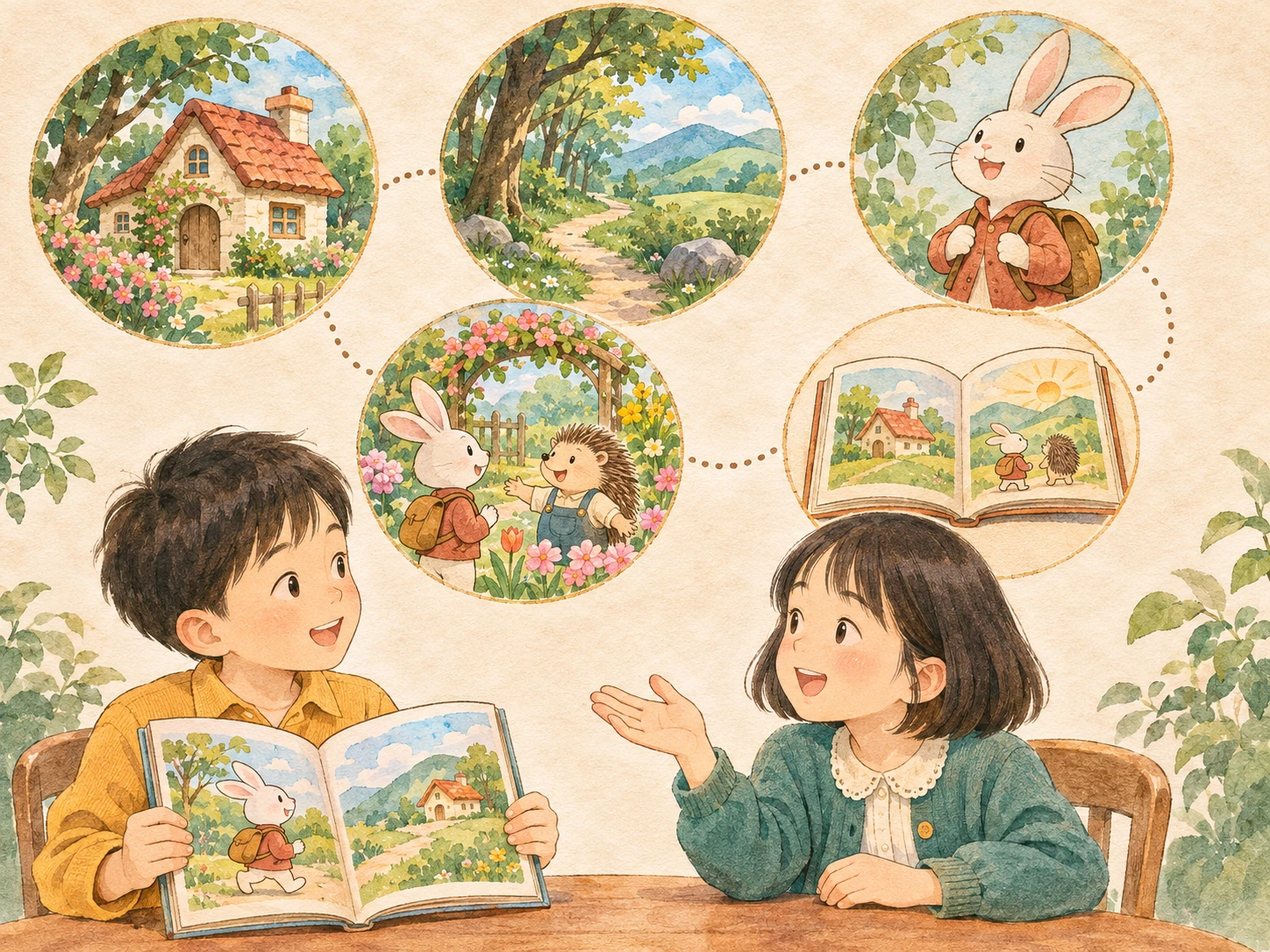
Illustrative image · Two children connecting the setting, characters and events of a picture book
Foundations & further learning

What Is Multidimensional Reading?

Listening to, looking at, speaking, and reading books

Once children have learned to read written symbols to a certain extent, they commonly move readily into reading books with their eyes and understanding them. After learning English phonics, they move straight into activities focused primarily on Reading Comprehension. But without fluent reading or speaking at the sentence level, they must expend considerable energy decoding individual words and cannot easily follow the overall flow of meaning. A lack of fluent sentence-level reading ability also helps explain why many children experience frustration with grade 3 reading, where the content of books demands a sudden cognitive leap.

Campus life

Campus life

A day of listening, speaking, exploring, and moving

Teacher learning

Explore how teacher development brings ALTIORA’s approach into the classroom.

Home connection

See how learning in the classroom continues at home.

Explore your child’s behavior

Answer 30 everyday situations based on the way you usually see your child behave. Explore everyday behavior patterns and five behavioral characteristics in an individual profile.

Child behavior profile

Available in Korean

30 questions
Parents answer everyday situations
About 3 minutes
A short look at your child’s behavior
5 behavioral characteristics
An individual behavior profile

Insights

Foundations & further learning

ALTIORA’s Timely Education: Building the Foundations for Lifelong Capabilities

Early childhood is a critical period for all learning

Early childhood is the most extraordinary period in human learning. Children at this stage are not simply small and young. They are passing through an astonishing period of development: taking in the world rapidly, creating new connections through experience, and forming the foundational circuits of language, thought, emotion, and relationships. This remarkable developmental period can also be described as the time when the brain's plasticity is greatest.

Foundations & further learning

English: Another Channel to the World

Experience beyond knowledge, growth beyond study

Language is a vessel for the world and a perceptual window through which we interpret it. When a young child first encounters the word “tree,” the child is not simply taking in a written or spoken symbol. Rather, the child is organizing multisensory experiences of a tree, ways of relating to things, and personal images and memories that come alive in the mind. In this way, language is a tool for drawing a vast map of the world within a child.

Research

Reading Development from Sound to Print

A developmental and cognitive perspective on phonics education

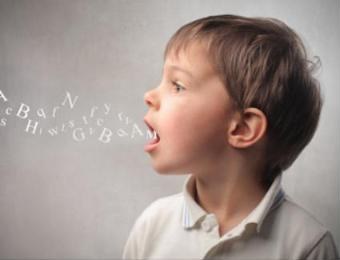
Children's language development begins with sound. They first listen, understand meaning, and use speech in situations, gradually making language their own. Just as children accumulate countless experiences of sounds and speech before learning print in their first language, reading in English can become more firmly established when it expands naturally from listening and speaking experiences.

Admissions enquiry

Leave your enquiry and we will contact you after reviewing it.

Preferred campus
Select a region
Preferred campus
Year of birth
How did you first hear about ALTIORA? Optional
Find a campus

Explore your child’s behavior

30 questions · About 3 minutes

Explore everyday behavior patterns and five behavioral characteristics in an individual profile.

Start the questionnaireopens in a new tab