
From birth, children listen to the world. They hear their mother’s voice, the sounds around them, and other people speaking, gradually coming to understand the world that surrounds them.
Listening is more than receiving sounds through the ears. Through listening, children read people’s feelings, grasp situations, understand meaning, and learn how to respond. Listening is therefore not only the beginning of language development but also the most fundamental starting point for all cognition and communication.

Yet we often take listening for granted. We assume that children sitting quietly are listening well, and expect them to understand naturally when we tell them a story. But it is not that simple.
Hearing a sound does not mean understanding its meaning. Understanding does not mean remembering it. Remembering does not mean organizing it in sequence. And organizing it does not mean being able to express it again in one’s own words.
True listening is a process in which sounds from outside enter a child and become meaning, that meaning remains as memory, and memory in turn takes its place as a structure for thought. Listening is the first doorway through which information enters a child, and the most basic thinking activity determining how that information is received, held onto, organized, and used again.
ALTIORA’s Gifted Language Schema Thinking Habits starts at precisely this point. ALTIORA does not regard listening simply as an enjoyable story experience. We see it as a process of developing a child’s first thinking habits for receiving, understanding, remembering, and structuring information. We consider what to let children hear, in what units and sequence, which pictures to connect it with, which questions will help them grasp meaning, and how to leave what they hear as a structure in memory.
A program that targets the ability to “listen” itself may sound somewhat unfamiliar. But is it not remarkable that, while children simply experience the enjoyable world of picture-book stories unfolding before them, they develop, without even realizing it, the ability to listen with concentration, bring meaning to mind, visualize a story, and remember its flow?
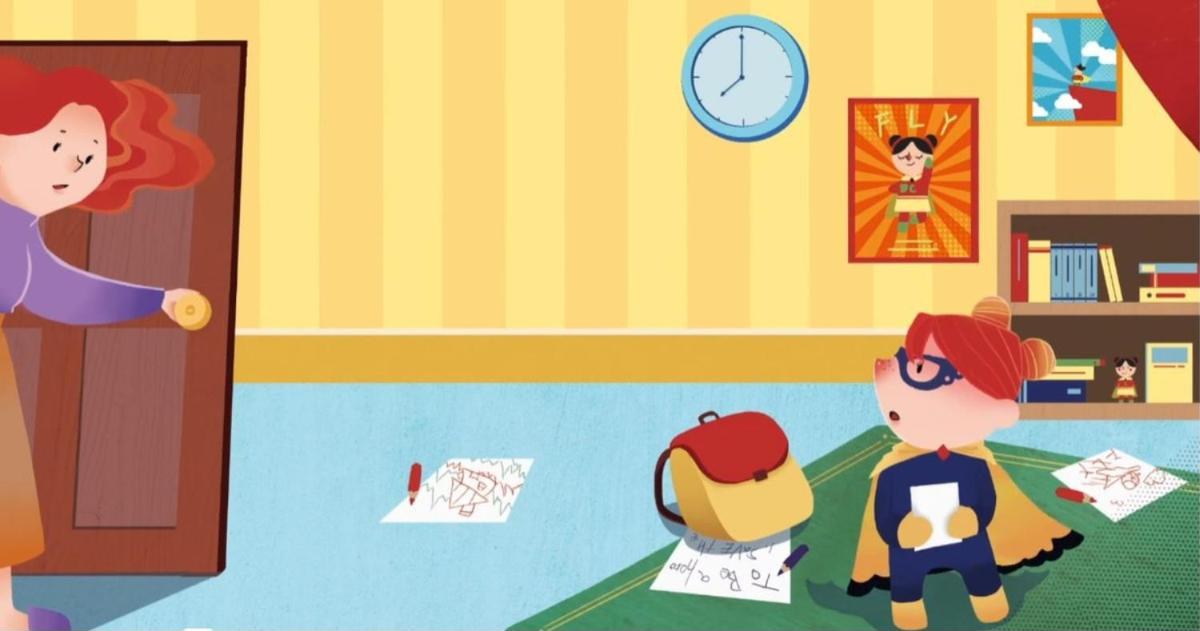
Image caption: Picture books without written Korean story text are used so children can concentrate entirely on sound and meaning. Activities follow in sequence: looking at pictures and guessing what happens; listening to a scene in which Mom says, “Suji, what are you doing? It’s time for kindergarten,” and the child replies, “No, I’m not going! I’m busy now,” then asking and answering questions; listening and repeating; and telling the story independently while looking at the pictures. After working with individual scenes, children use the same approach with the whole story.
The golden window for developing attentive listening
The time before learning Hangul begins is the optimal period for connecting sound and meaning most vividly. Once children begin reading Hangul, some of their energy is diverted into decoding letters. Before learning written language, children can concentrate fully on sounds and scenes. As they listen to a story, they imagine the situation, connect meaning with pictures, and follow the flow of sentences. With greater familiarity, they can bring scenes to mind without pictures and recount them in sequence.
ALTIORA’s Gifted Language Schema listening curriculum does not underestimate the potential within a child. It helps the first structures of thought grow remarkably as children listen, feel, imagine, and remember in the ways most natural to childhood.
Good listening is the beginning of good learning. What children hear stays within them; what stays becomes thought; and thought grows back into language. We open that very first pathway.
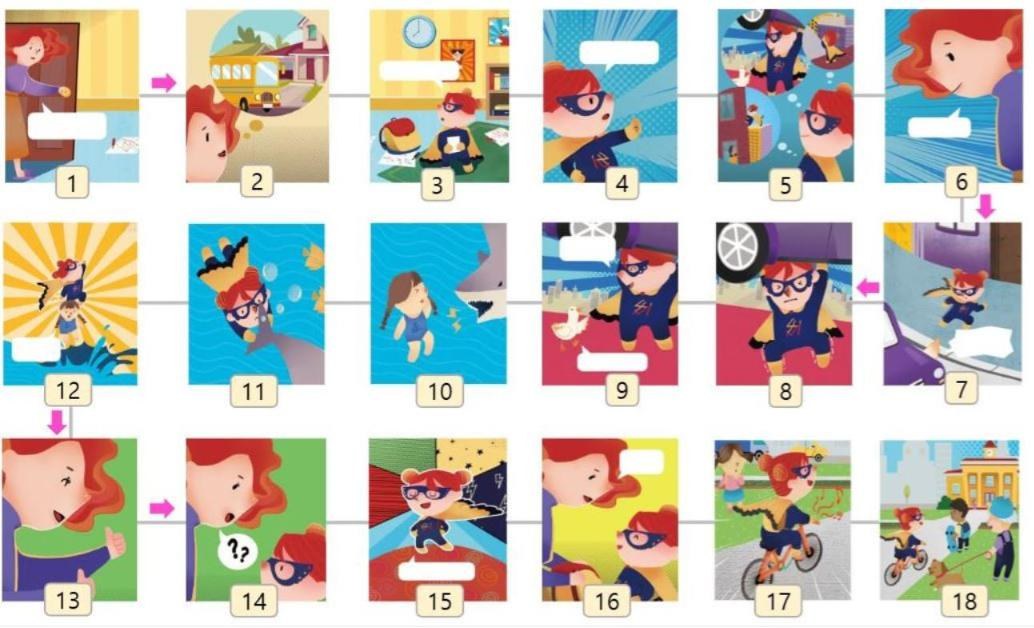
Image caption: The path of a story taking shape in a child’s mind