ALTIORA
Find a campus
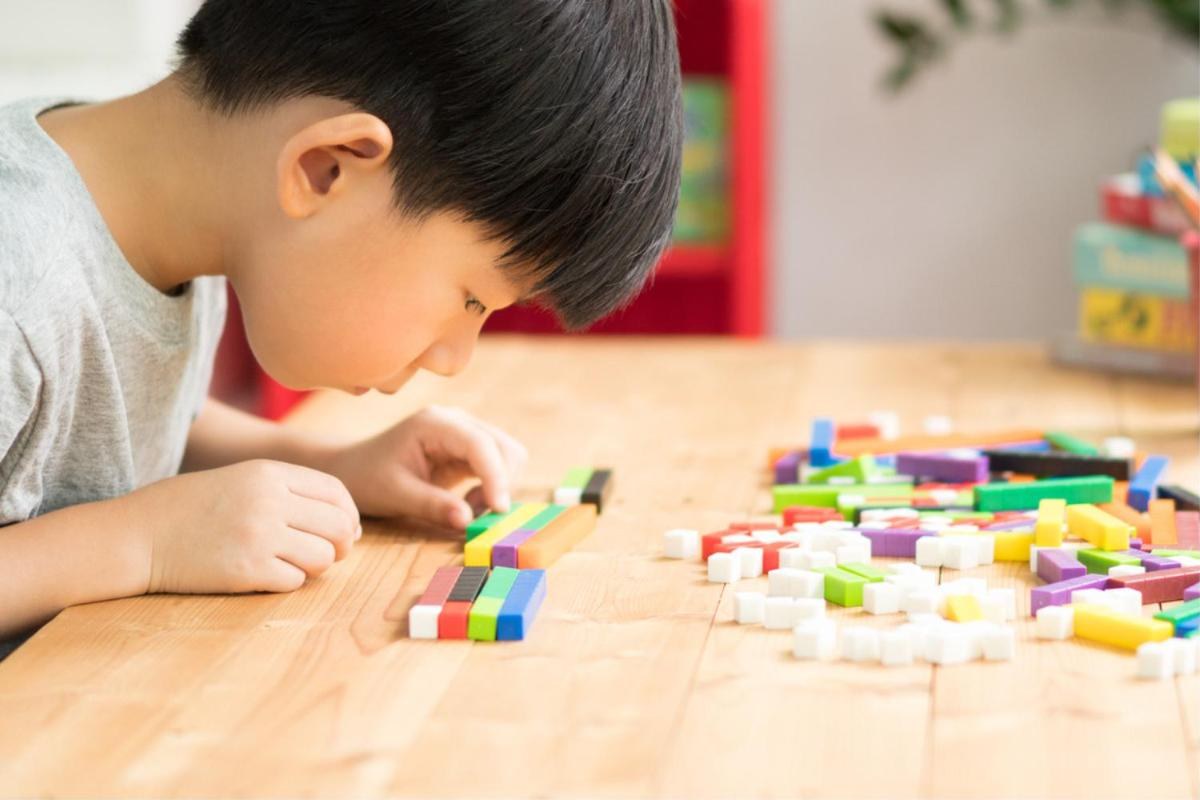
Illustrative image · Children exploring balance through movement

Now, the window of opportunity is open

Early childhood is the most extraordinary period of human learning. Children are passing through an astonishing period of development, rapidly taking in the world, forming new connections through experience, and building the foundational circuits for language, thought, emotion, and relationships.

Around 36 months (age 3), the structure of the first language becomes established. As first-language processing becomes automatic, children enter a period when they can readily acquire a foreign language through sensory experience. It is also a critical time for building an English sound system as a second phonological framework on the foundation of the first-language sound system they have already formed.

The 1,000-word threshold

The moment the first-language operating system (OS) is completed

Source: [Generative Speaking That Builds a Gifted Brain], chapter 4

  1. 12–18 months 10–50 words

    Slow acquisition, Making one word one’s own takes days.

  2. 18–24 months 200–300 words

    Vocabulary explosion, “Fast mapping”, grasping a meaning after hearing it once, begins, and children combine two words.

  3. 24–36 months 300–600 words

    Sentence formation, Thinking through narrative gains momentum as children combine two or more words.

  4. Age 3 (36 months) 1,000+ words

    The first-language structure is complete. The brain shifts from “individual learning” to “system operation” mode.

As first-language processing becomes automatic, the brain’s remaining energy (cognitive capacity) can be used for a foreign language, which is received as another sense rather than as study. This is why gifted education is an art of timing.

The brain’s “sound magnets” and a second phonological framework

Building an English sound system as strong as the first-language system

Kuhl’s Native Language Magnet theory (NLM-e)

  1. 0–6 months · Citizen of the world Distinguishing subtle sound differences across all languages
  2. 6–12 months · Statistical learning and filtering Frequently heard sound circuits strengthen; unheard sound circuits are pruned.
  3. 12 months · First-language neural commitment First-language sounds are processed at high speed, while other sounds become “noise.”
  4. 18–24 months · Vocabulary explosion Energy once used for decoding sounds shifts to connecting meaning.
  5. 36–72 months · The final window for a second phonological framework The first-language framework is complete, but plasticity remains alive.

ALTIORA’s principle Rather than fighting existing magnets, we create new ones. Through high-quality English sounds, living contexts, and intensive interaction, children’s brains draw their own English sound maps. The resulting English phonological framework and first-language framework each maintain their own domain, allowing both languages to deepen without interference.


Two layers of English proficiency

Cummins · BICS / CALP

Early childhood English education should first blossom in fluency in listening and speaking,
and that fluency should emerge from a foundation of thinking skills.

1–2 years

Visible fluency

BICS · Basic interpersonal communication skills

  • Greetings · Everyday conversation · English through play
  • Achievable at any academy in 1–2 years

5–7 years

Invisible thinking skills

CALP · Cognitive academic language proficiency

  • The ability to learn in English
  • Reasoning · Analysis · Conceptual understanding · Structuring
  • Requires 5–7 years of designed practice
Iceberg diagram: visible fluency (BICS) above the surface develops in 1–2 years, while thinking skills (CALP) beneath the surface require 5–7 years of designed practice.
The skills that support learning lie beneath the surface

From learning to acquisition

The first goal of early childhood English education is to complete a “2nd first-language OS.”
How language is acquired is ALTIORA’s first point of distinction.

A truly bilingual brain has acquired two phonological frameworks in depth

Prioritizing English alone diminishes language depth. When both frameworks deepen together, first-language thinking and English thinking grow together. This is the foundation of ALTIORA’s thinking-skills education.

Admissions enquiry

Leave your enquiry and we will contact you after reviewing it.

Preferred campus
Select a region
Preferred campus
Year of birth
How did you first hear about ALTIORA? Optional
Find a campus

Explore your child’s behavior

30 questions · About 3 minutes

Explore everyday behavior patterns and five behavioral characteristics in an individual profile.

Start the questionnaireopens in a new tab