
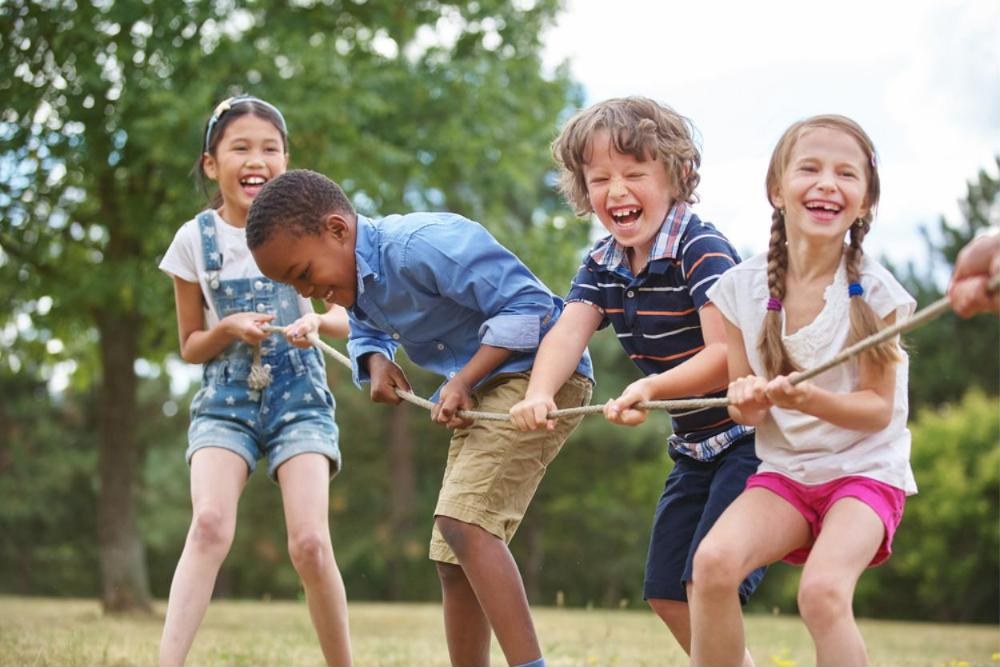
The World Health Organization (WHO) explains that infancy and early childhood are periods of rapid physical and cognitive development, during which a balance of physical activity, sleep, and sedentary behavior matters. WHO guidelines for children under 5 likewise explain the importance of sufficient daily activity, good rest, and less excessive sitting or screen exposure for young children’s health and well-being.
That is why ALTIORA consistently includes one physical activity session in each day’s routine. This is more than a physical education period. It is a time for whole-child education in which body and mind, thought and relationships grow together. This is ALTIORA MOVEMENT.
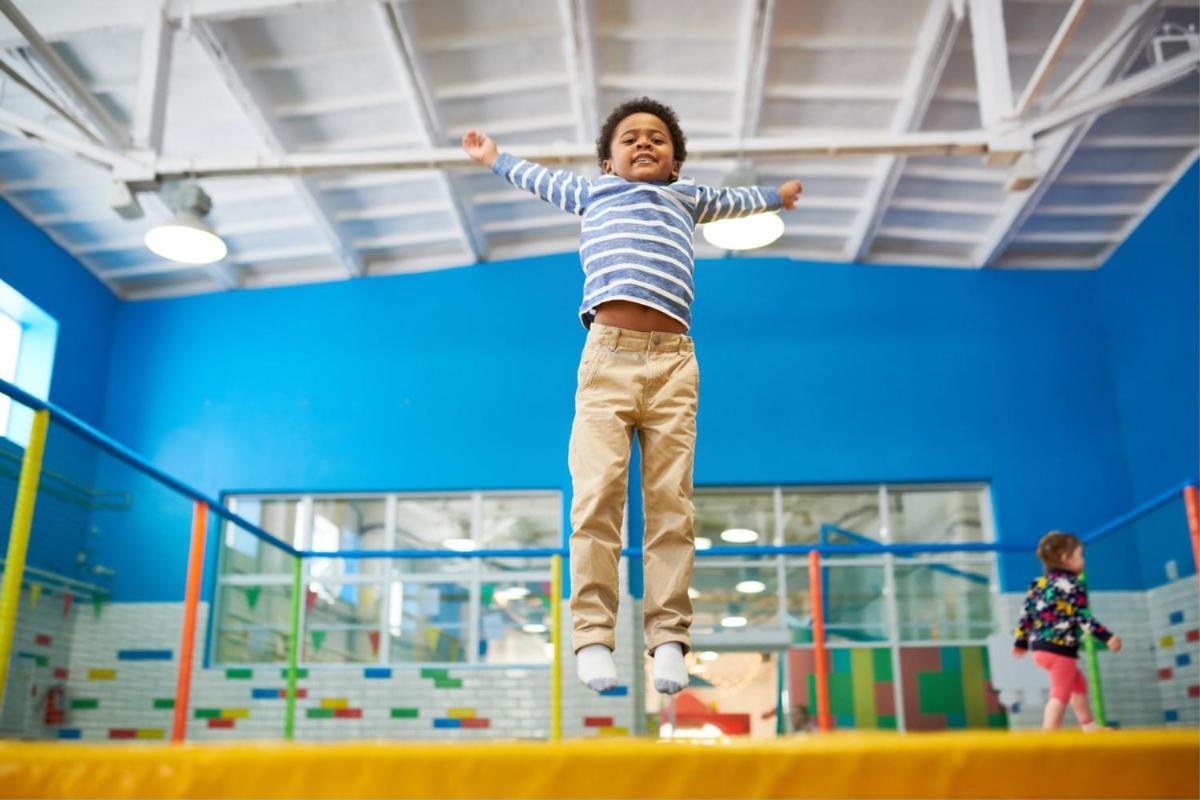
Period 0 physical education
One frequently discussed example in education is “Period 0 physical education” in Naperville, United States. This approach places physical activity before regular lessons to awaken students’ bodies and brains and help them prepare for subsequent learning. Of course, it should not be reduced to the simple formula that exercise raises grades. Discussions of the case also offer a cautious interpretation: Naperville’s high achievement cannot readily be attributed to physical education alone, and not every physical education class can be said to produce the same effect. Yet its educational insight is clear. Physical activity can be an important condition that prepares children for learning, rather than a time separate from learning.
When the body moves, thinking moves too
Recent work in education and cognitive science does not treat body and mind as separate. Embodied Cognition theory explains that cognition is not an abstract process occurring only inside the head, but is formed through physical activity, sensory experience, and interaction with the environment. A review published in Educational Psychology Review in 2024 also explains that cognitive processing is closely connected with physical activity and the environment, and that learning can improve when brain, body, and environment work together.
This has a very practical meaning for young children. Children do not learn “up, down, forward, backward” only at a desk. They learn spatial concepts by bending down, jumping, running forward, and stepping backward. They do not learn “sequence” through words alone. They experience it physically by lining up, waiting their turn, and moving in response to a signal. They do not learn “regulation” through explanations alone. They learn self-regulation by stopping, starting again, slowing down, and moving without bumping into friends. Movement, in other words, is another way that thinking grows.
Physical activity lays the foundation for self-regulation
Many parents hope their children will develop important abilities: concentrating, waiting, trying through to the end, and regulating emotions. These abilities do not grow simply by telling a child to sit still. They develop gradually as the child’s body becomes settled and experiences of regulating movement accumulate. Research on the relationship between early physical development and executive function suggests that physical activity and physical fitness may be associated with children’s inhibitory control, working memory, and cognitive flexibility.
ALTIORA believes early childhood learning begins in the body, and that gross and fine motor development, sensory integration, balance, and the formation of a body schema underpin later cognitive activity. ALTIORA also sees physical activity as an integrated activity that includes social and emotional experiences of self-regulation, cooperation, challenge, and achievement, rather than simply a physical education period.
Four abilities developed through ALTIORA MOVEMENT
1. Physical ability
Children develop gross and fine motor skills through balancing, jumping, running, rolling, changing direction, and using equipment. Experiences of moving their bodies as they intend lay the foundation for writing, making, and expressing themselves later.
2. Self-regulation
Stopping, waiting, adjusting speed, and moving according to rules provide real practice in self-regulation. As children regulate their bodies, they also learn to regulate their minds.
3. Relationships
Children learn cooperation and consideration by running together, taking turns, cheering one another on, and moving as a team. Movement becomes practice in living together, not just an individual activity.
4. Learning
Children who have moved sufficiently are better prepared to concentrate. When the body awakens, the senses open; when the senses open, attention comes alive; and when attention comes alive, learning deepens.
The mind grows as the body grows.
Thinking deepens when the mind is settled.
Learning becomes one’s own when thinking deepens.